Deciphering How License Requirements Affect the Integration of Live Odds Feeds in Smartphone Wagering Tools
Skriven av Klara Lehmann · 2026-09-08
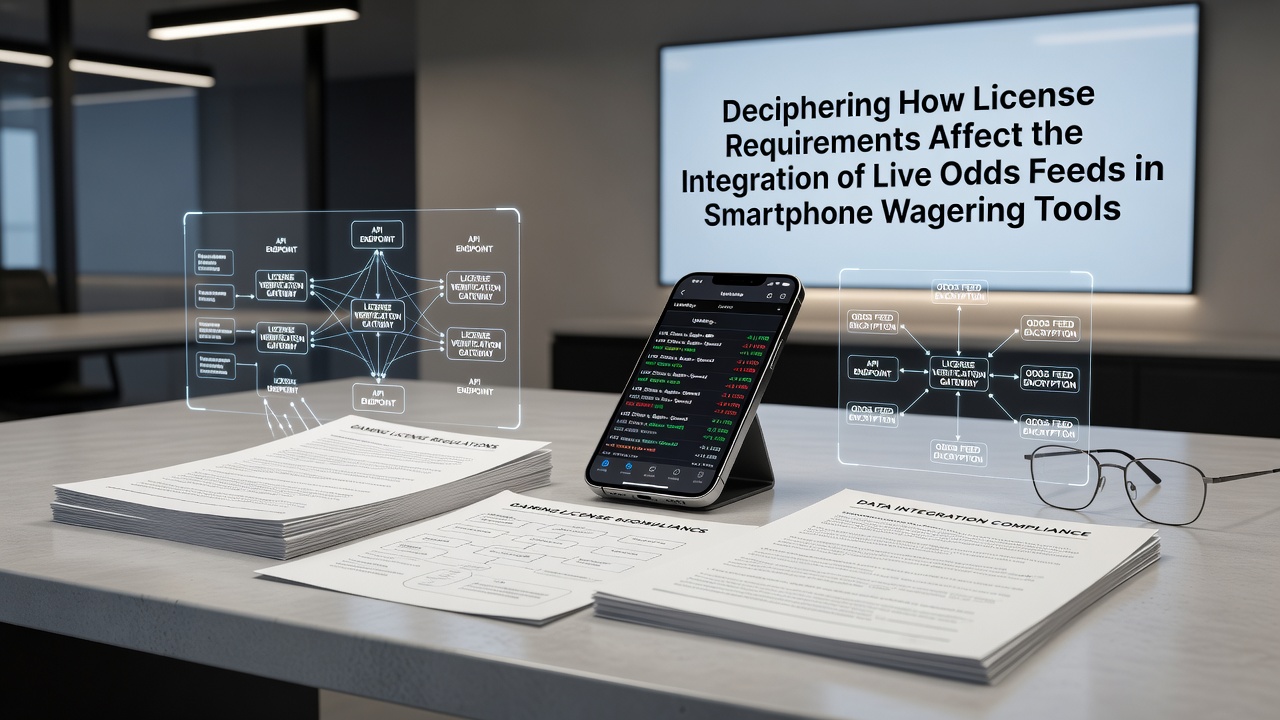
Deciphering How License Requirements Affect the Integration of Live Odds Feeds in Smartphone Wagering Tools
Understanding License Frameworks and Data Feed Protocols
License requirements establish strict parameters for how operators source and display real-time odds in mobile applications, and these rules vary significantly across jurisdictions such as the United States, Australia, and several European markets. Regulatory bodies demand that live odds providers meet certification standards for data accuracy, latency thresholds, and security protocols before any integration occurs, which means developers must verify supplier credentials during the licensing application process. Research from industry reports shows that failure to align with these criteria often delays app launches by months while teams adjust API connections and audit trails.
Those who've examined the process note that licenses frequently mandate specific technical safeguards like encrypted data streams and redundant failover systems, and smartphone wagering tools must incorporate these elements without compromising performance on varying network conditions. Observers note that this creates a layered approval workflow where both the operator and the odds feed vendor undergo separate vetting before real-time data appears in user interfaces.
Technical Integration Challenges Under Regulatory Oversight
Live odds integration involves pulling dynamic data from external feeds into app backends, yet license conditions often restrict which providers operators can use and how frequently updates must occur to maintain compliance. Data from the Malta Gaming Authority indicates that certified feeds must demonstrate sub-second latency in controlled tests, a requirement that forces developers to optimize mobile network handling and caching strategies. Experts have observed that these constraints become especially pronounced when apps operate across borders, since a single license may not cover all feed sources used in different regions.
Here's where it gets interesting: many jurisdictions require ongoing monitoring of feed integrity, which translates into embedded logging mechanisms that track every odds update and flag anomalies for immediate review. Teams building these tools frequently discover that adding such monitoring layers increases app size and battery consumption, prompting further iterations to meet both regulatory and user experience benchmarks. One study revealed that operators who pre-certify their feed partnerships during the licensing phase reduce post-launch modification needs by significant margins.
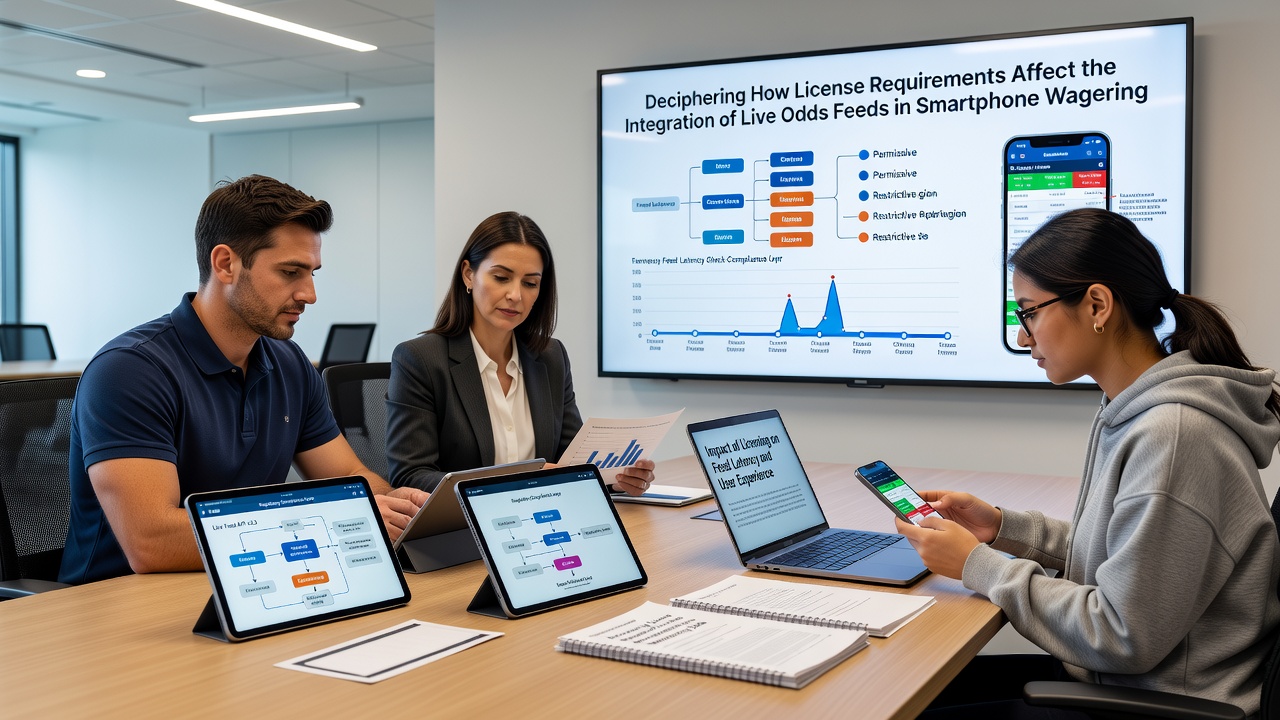
Regional Variations in Licensing Impact on Mobile Platforms
Approaches differ sharply depending on the licensing authority, and this variation directly shapes how developers structure their smartphone applications. In certain US states, for example, regulators require that live odds originate from state-approved sources only, which limits flexibility when apps seek to aggregate multiple sportsbooks in one interface. Figures reveal that these restrictions have led some operators to develop modular architectures allowing quick swaps of feed providers without full re-licensing.
Meanwhile, Australian frameworks emphasize consumer protection measures that tie directly into odds display rules, such as mandatory cooling-off periods triggered by rapid price fluctuations detected in feeds. Researchers discovered that these stipulations necessitate additional front-end logic in mobile apps to pause or highlight volatile markets, adding complexity to the integration timeline. The reality is that licenses issued in September 2026 under updated multi-jurisdictional agreements are expected to introduce unified testing standards for feed latency across participating regions, potentially streamlining some of these cross-border challenges.
Take one developer group that aligned its architecture with Canadian provincial requirements early on; they found that the same feed integration passed audits in multiple provinces with minimal adjustments because the initial license already incorporated those technical benchmarks. Data shows such proactive alignment reduces overall compliance costs while maintaining competitive update speeds in live markets.
Future Considerations for Compliance and Innovation
Emerging license models increasingly incorporate provisions for artificial intelligence assisted odds verification, yet operators must still demonstrate that these tools do not introduce new points of failure in the data pipeline. Industry associations have documented cases where AI filters flagged legitimate market movements as anomalies, forcing manual overrides that slow down smartphone displays. Those who've studied these patterns know that balancing automated checks with human oversight remains a key requirement in most licensing renewals.
What's significant is how these evolving rules affect smaller operators who lack dedicated compliance teams; they often partner with established feed vendors that already hold multiple certifications, which shifts integration responsibility upstream but adds subscription overhead. Evidence suggests that such arrangements accelerate time to market while satisfying the detailed audit demands typical of mobile wagering licenses.
Conclusion
License requirements continue to define the boundaries within which live odds feeds operate inside smartphone wagering tools, creating both constraints and structured pathways for integration. As jurisdictions refine their standards ahead of September 2026 updates, operators and developers will likely see more harmonized expectations around data security and performance metrics. The interplay between regulatory approval and technical implementation remains central to delivering compliant real-time experiences across devices and markets.